
Unfortunately, Internet Explorer is an outdated browser and we do not currently support it.
To have the best browsing experience, please use Google Chrome, Firefox, Microsoft Edge or Safari.
We use cookies to improve your experience on our website. By continuing to browse this website, you agree to our use of cookies. For more information, please refer to our privacy policy.


This is a self-funded case study using our Innovation Testing solution.
As brands face growing pressure to evolve their portfolios to meet changing consumer needs, better-for-you products are quickly becoming table stakes in the grocery aisle. But in the race to become healthier, many brands lose sight of the very reasons people enter a category in the first place.
After all, a healthier alternative means little if it no longer delivers on consumers’ core jobs-to-be-done when purchasing the category. Put simply, a no-sugar soda still needs to be tasty and refreshing, and a better-for-you snack still needs to feel like a treat.
Instead, the strongest health-led innovations don’t reinvent a product category — they elevate it. They reinforce the reasons people already buy the category, before adding a new twist over the top. And that’s exactly the balancing act Kraft has struck with its new PowerMac extension.
Rather than repositioning Kraft Mac & Cheese to be all about health, PowerMac instead built on the brand’s existing equity: cheesy, melty, comforting, and highly convenient. As a result, the added protein and fiber became enhancements to an already strong proposition, rather than replacements for it.
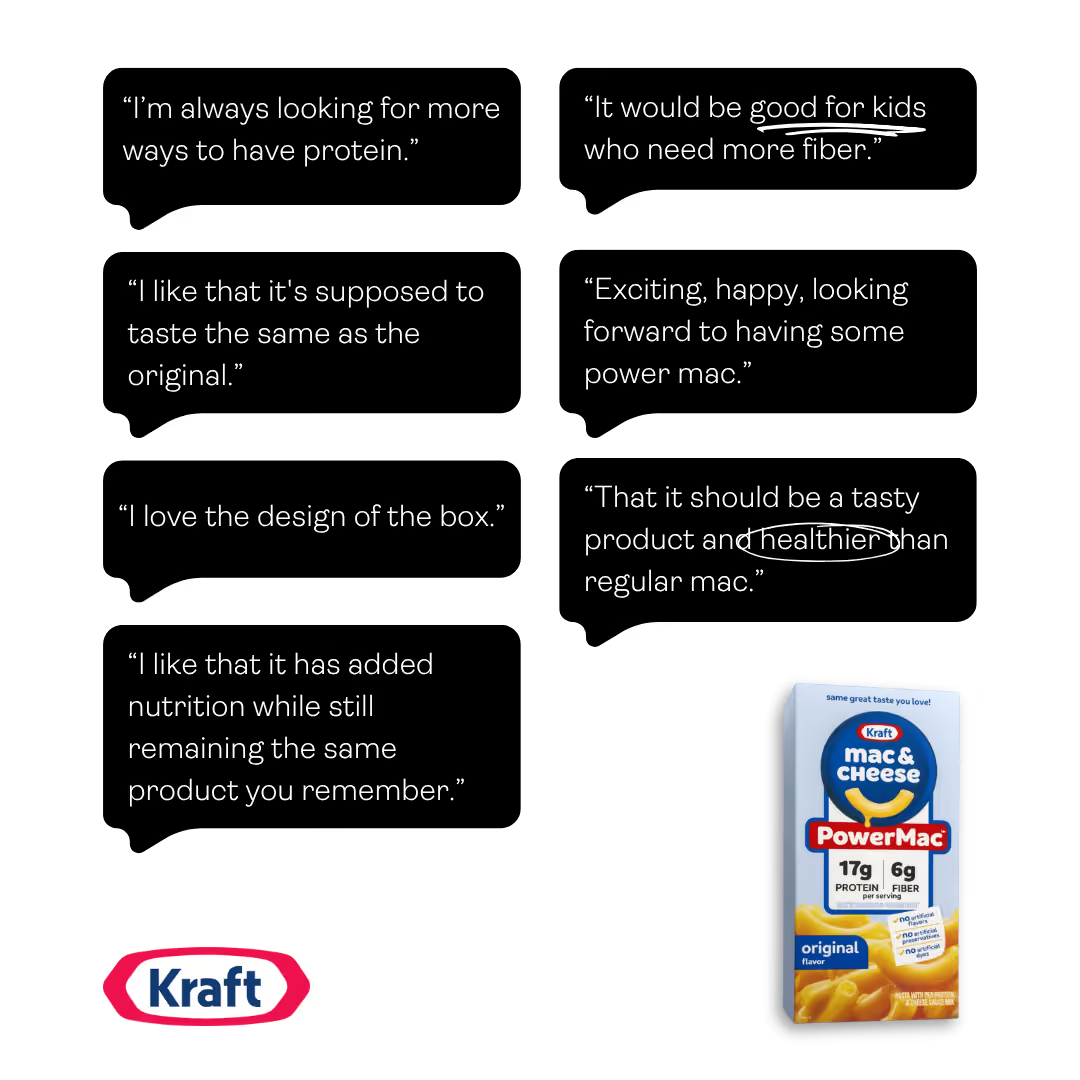
In order to maintain these essential benefits, Kraft resisted the temptation to dramatically reinvent the visual identity of the product. The familiar box structure, recognizable color palette, and retention of other subtle brand cues helped the new proposition fit seamlessly within the wider Kraft Mac & Cheese portfolio.
This familiarity matters. Health-focused innovations often disrupt too many familiar cues, creating friction that leads people to doubt the taste, texture, or satisfaction it would deliver — particularly in categories historically built around indulgence and comfort. But in reinforcing claims around the “same great taste” and being backed by the credibility of one of America’s leading consumer goods brands, Kraft helped reduce this uncertainty and ultimately strengthened people’s trust in the proposition.
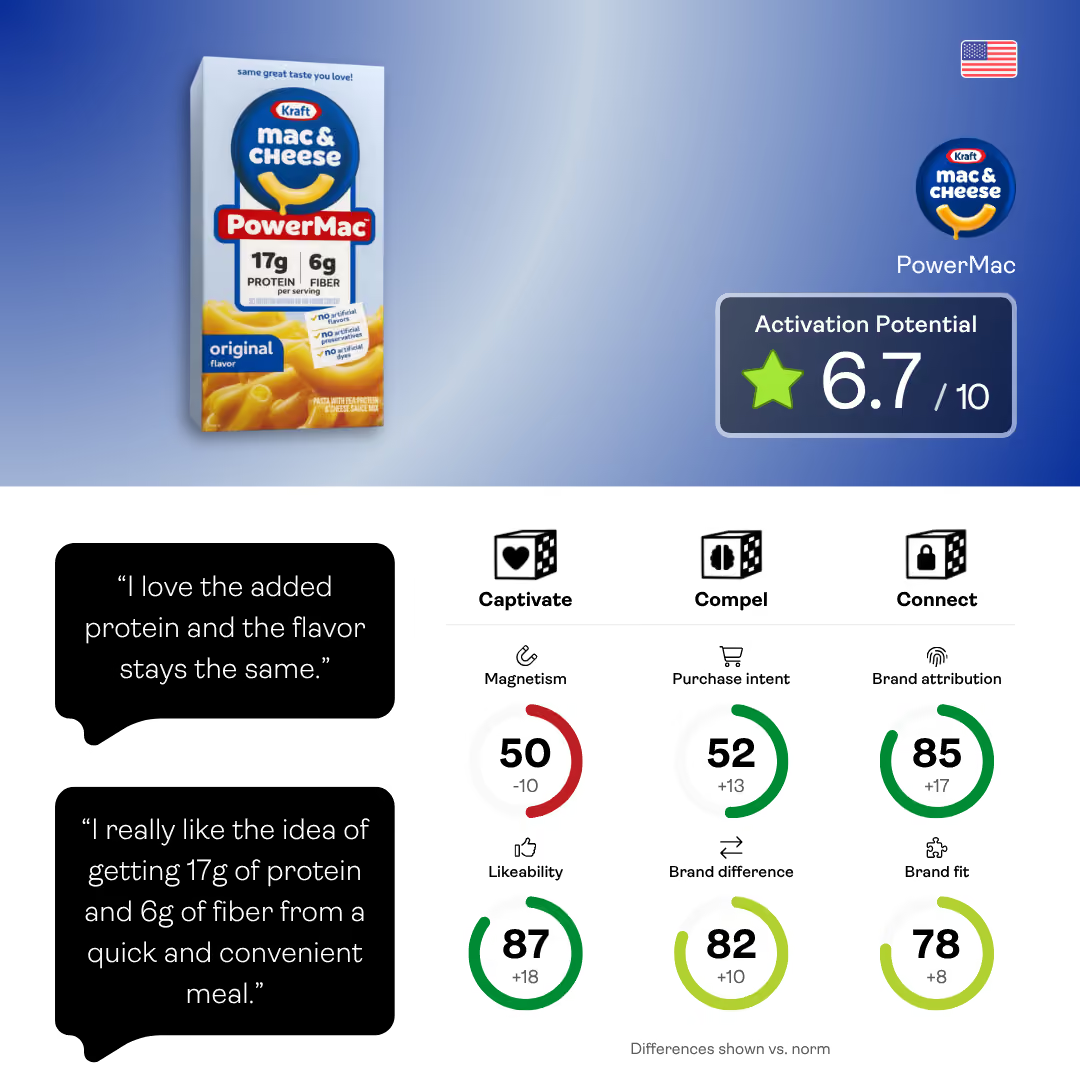
That said, the new product tweaked enough visual cues to clearly draw shoppers’ attention to its nutritional advantages and ensure the concept was sufficiently differentiated from the brand’s core range.
As a result, the appeal of the product was undeniable, particularly among parents who viewed it as an easy way to add more protein and fiber to a meal that was still fun and tasty for their children. Even for busy adults, PowerMac checked many of the right boxes, with its better-for-you benefits helping it feel like a smarter choice.
Ultimately, the success of better-for-you innovation is about much more than simply placing a nutritional claim on-pack. The brands getting it right are those that understand consumers rarely want entirely new experiences — they want the familiar, made slightly better. PowerMac demonstrated how successful innovation in this space often comes not from abandoning existing category conventions, but from building meaningfully upon them.
Want to test your own advertising, packaging, or product ideas? Cubery combines a team of creative effectiveness experts with cutting-edge technology, bridging the gap between creativity and commercial impact. Get in touch to learn how we can unlock growth for your brand.
.png)